1965
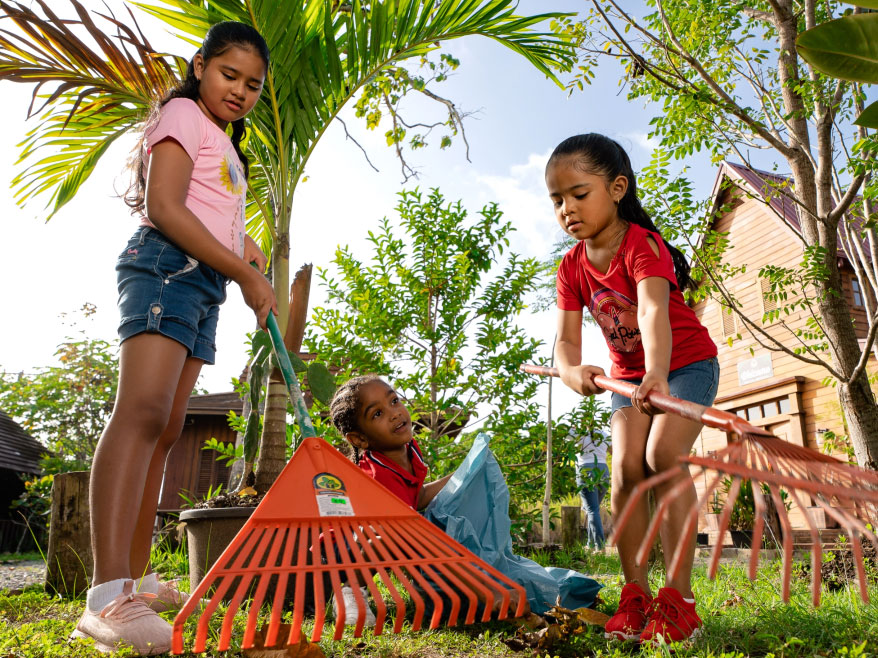
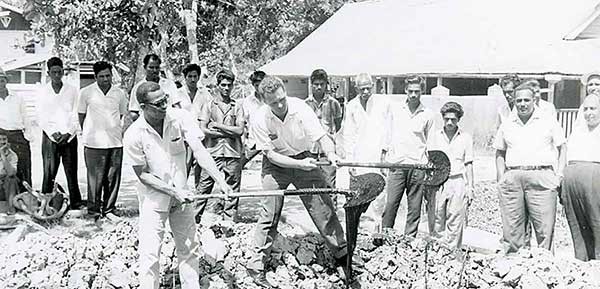
While drilling for water on a school yard in Calcutta (Saramacca), oil is struck at a depth of 160 meters.
1980
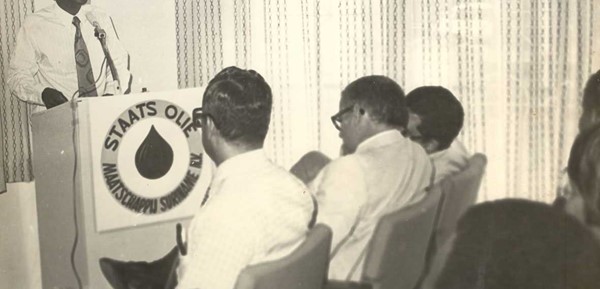
The government establishes the Oil Commission, chaired by geologist Eduard ‘Eddie’ Jharap.
1982
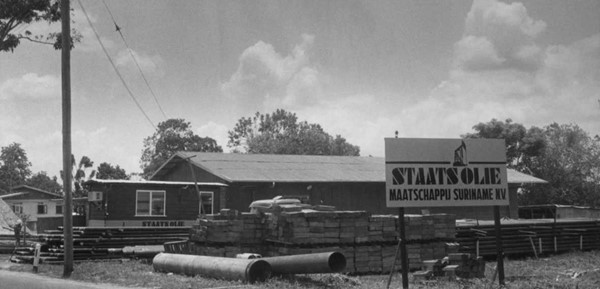
Commercial oil production starts on 25 November in the Tambaredjo oil field in Saramacca, at 200 barrels a day. With a loan secured from local banks, Staatsolie builds production facilities in Catharina Sophia and purchases its first oil tanker.
1983
The first rotational pump ('moyno') is installed, replacing the pump jack. Staatsolie supplies Saramacca Crude to the Suriname Aluminium Company (Suralco) for the first time, used as fuel for alumina production.
1984
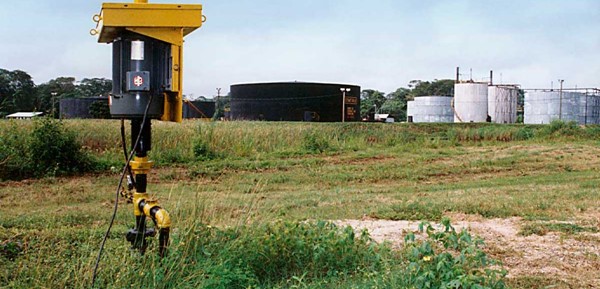
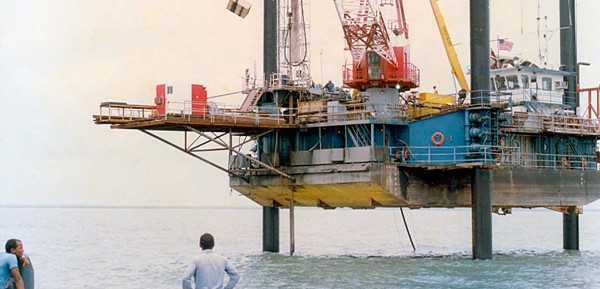
A new contract is signed with Gulf Oil Company for offshore exploration. Crude production reaches 1,000 barrels a day.
1988
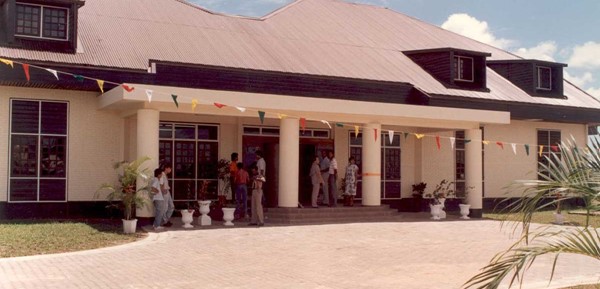
Our new headquarters in Flora is inaugurated. Saramacca Crude is also exported to Trinidad and Tobago for the first time.
1992
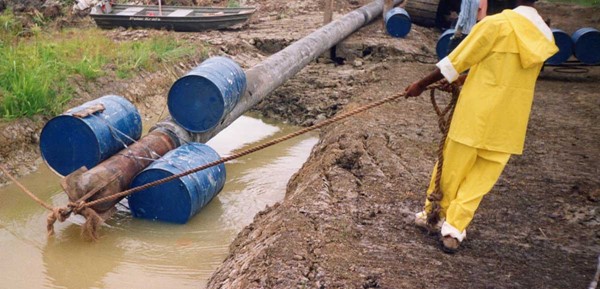
The underground pipeline from Saramacca to Tout Lui Faut is constructed and becomes operational.
1995
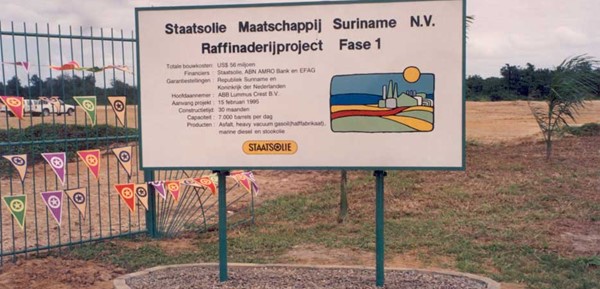
President Ronald Venetiaan gives the starting signal for construction of the refinery, financed by a USD 36 million loan from a banking consortium.
1997
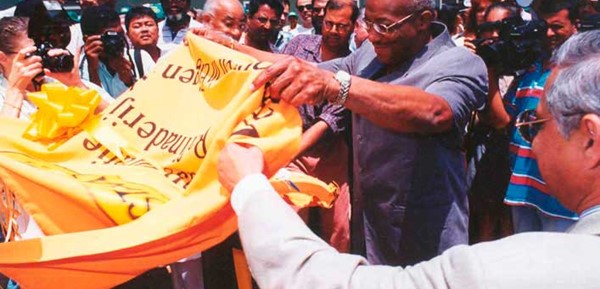
The refinery is officially operational, producing 8000 barrels per day.
1998
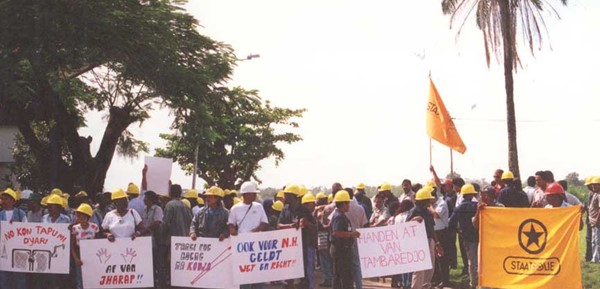
Managing Director Eddie Jharap is dismissed by the sole shareholder (the Republic of Suriname) for opposing the sale of Staatsolie to a Korean investor. Jharap takes the case to court, wins, and his dismissal is reversed.
2000
A 22-kilometer pipeline is constructed from the refinery at Tout Lui Faut to Suralco in Paranam.
2004
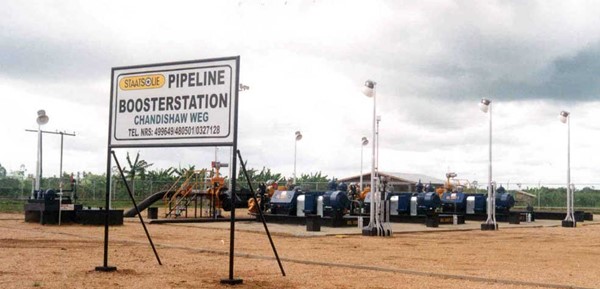
Staatsolie becomes co-owner of Ventrin Petroleum Company Limited in Trinidad, acquiring a 30% stake.
2005
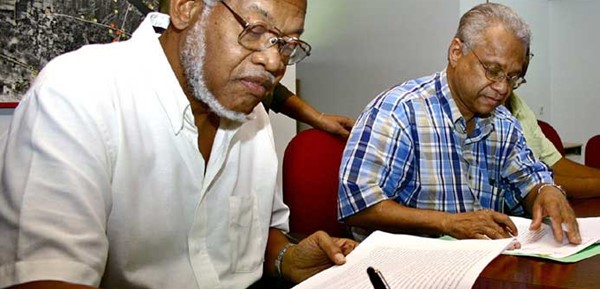
Staatsolie celebrates its 25th anniversary. A monument is unveiled at headquarters and a commemorative book is published. Managing Director Eddie Jharap receives the highest national honor, the grand ribbon in the Honorary Order of the Yellow Star.
2006
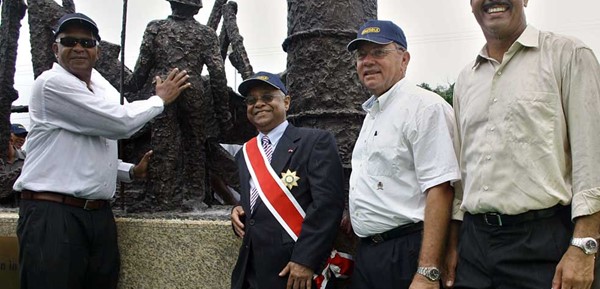
Marc Waaldijk is appointed Managing Director. The Calcutta oil field is put into production. President Venetiaan inaugurates the Staatsolie Power Company Suriname (SPCS), a thermal power plant supplying electricity and steam to the refinery and the public grid.
2007
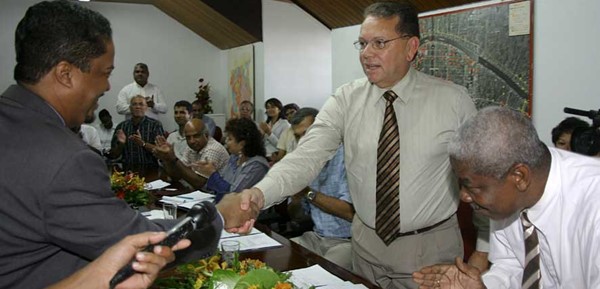
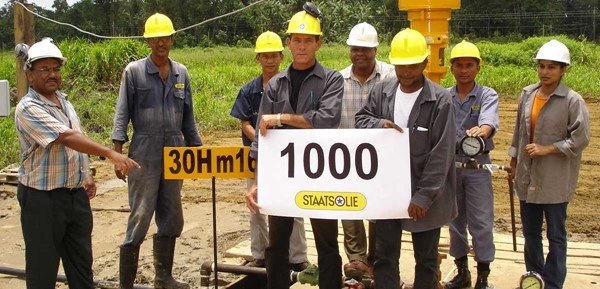
The 1,000th well is put into production in the Tambaredjo field.
2008
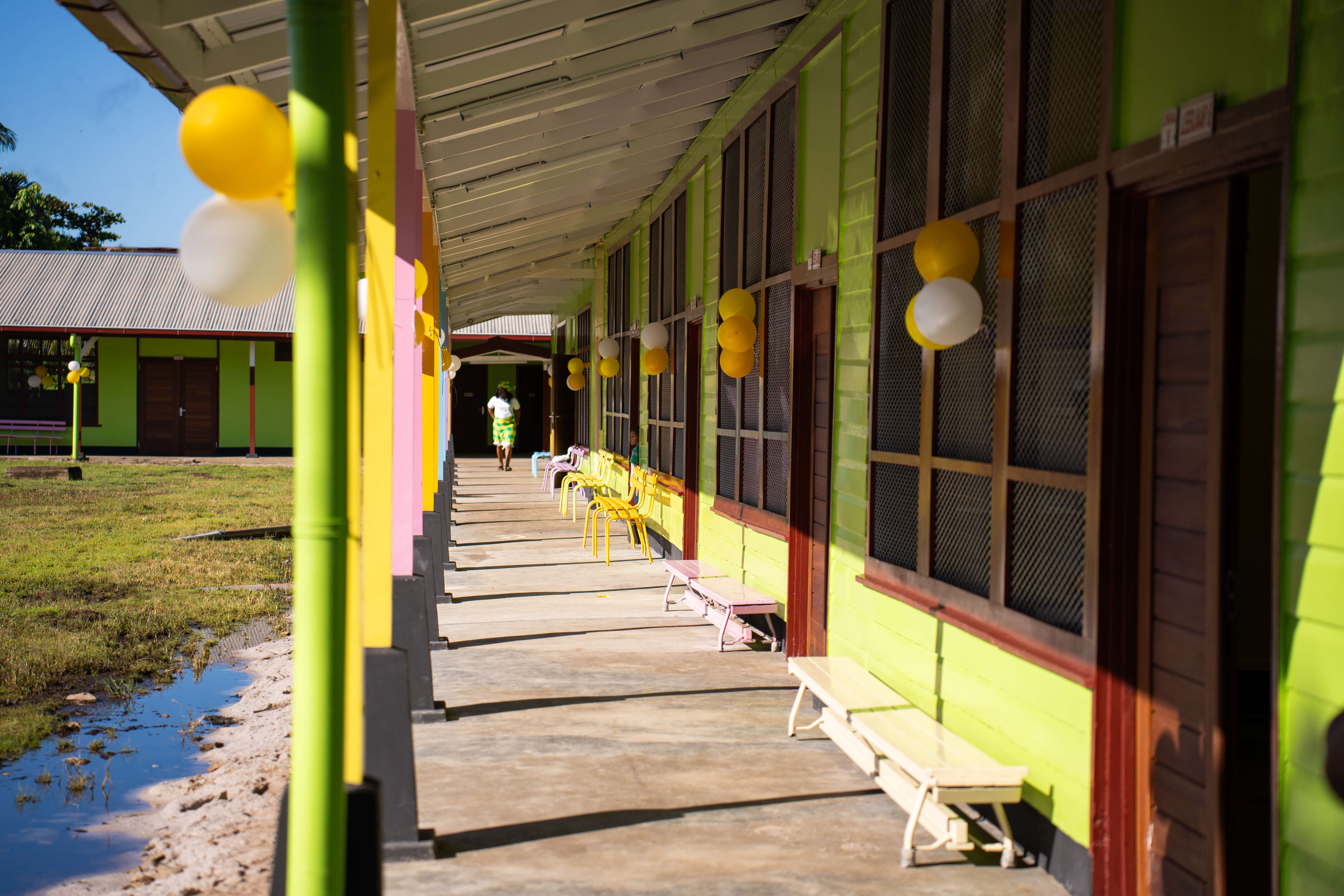
The Staatsolie Foundation for Community Development is established, with a mission to create lasting social impact in the communities where Staatsolie operates, focusing on education, healthcare, and social welfare. That same year, the polymer injection project becomes operational, increasing oil recovery from the reservoir.
2015
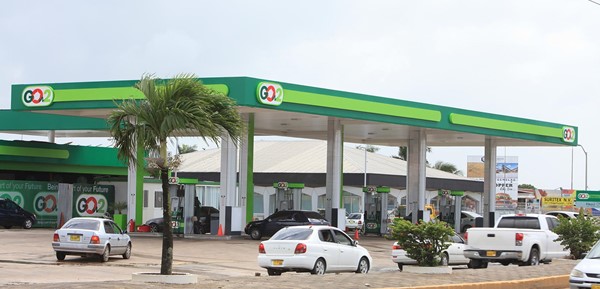
From 13 December, locally produced gasoline and diesel are brought to market under the GOw2 brand name. The name GOw2 references 'goud' (gold in Sranan Tongo), a nod to the black gold that forms the foundation of the company's fuels, as well as the English 'Go To', reflecting a forward-looking vision.
2020
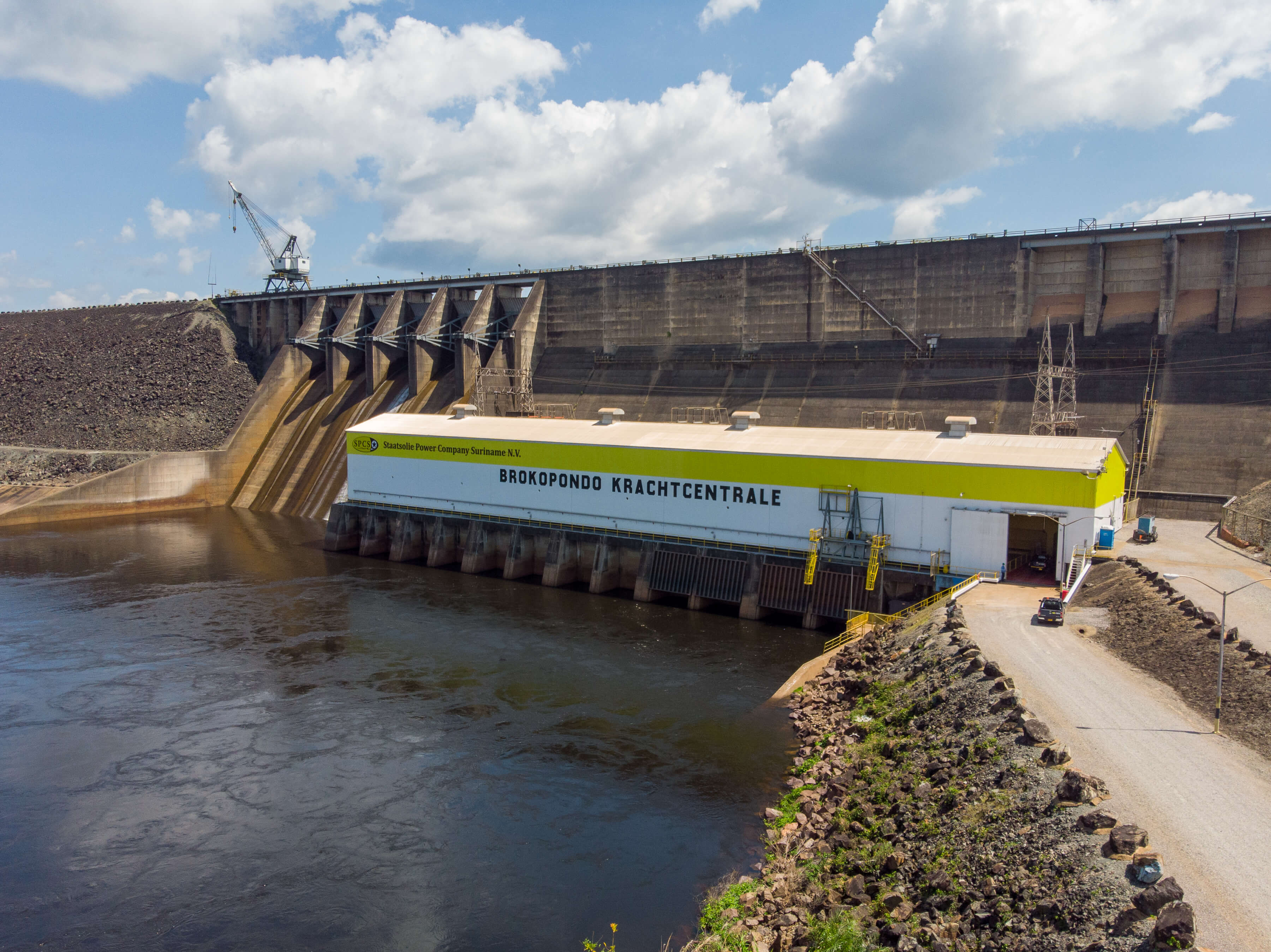
Staatsolie takes over operation of the Afobaka hydroelectric dam from Alcoa, adding 180 megawatts of clean energy capacity. Combined with the thermal plant, SPCS now supplies 75% of Suriname's total electricity demand.
2022
Successful exploration in Block 58 and a new oil discovery in Block 53. A partnership is signed with Chevron for Block 7 in the shallow offshore area. Staatsolie reduces its emissions by 5% through the utilization of flared gas.
2023
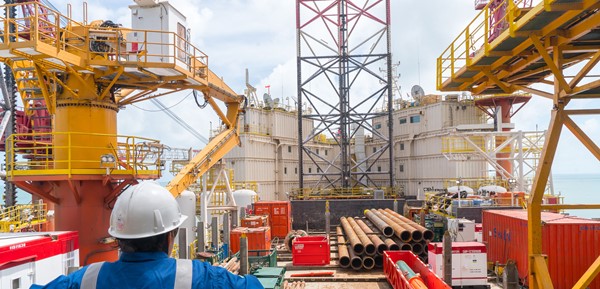
Petronas discovers oil in Block 52. Following confirmation of 700 million barrels of recoverable oil in the Sapakara South and Krabdagu fields, the pre-FEED phase in Block 58 commences. Staatsolie signs five new production agreements and launches the BlueWave program to support local companies in offshore projects.
2024
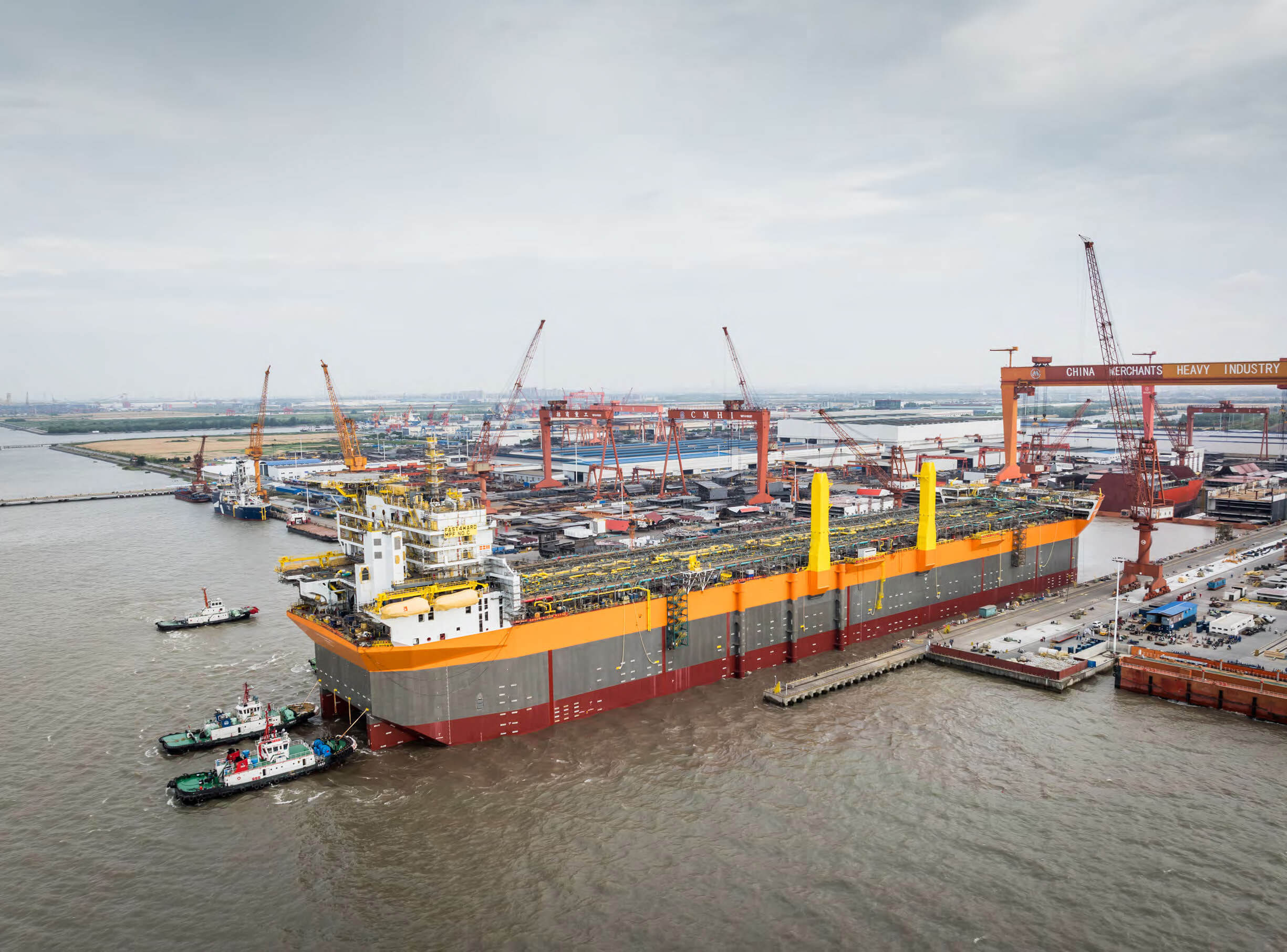
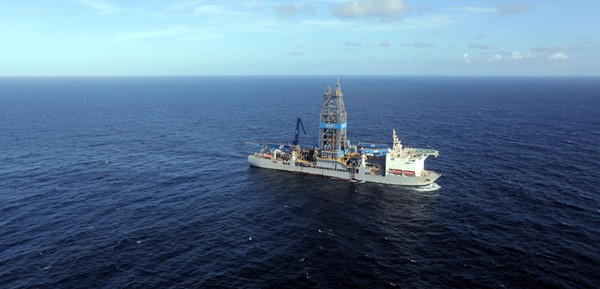
TotalEnergies and APA Corporation announce the final investment decision (FID) for the development of the GranMorgu production field in Block 58. First oil is expected in 2028.
2025
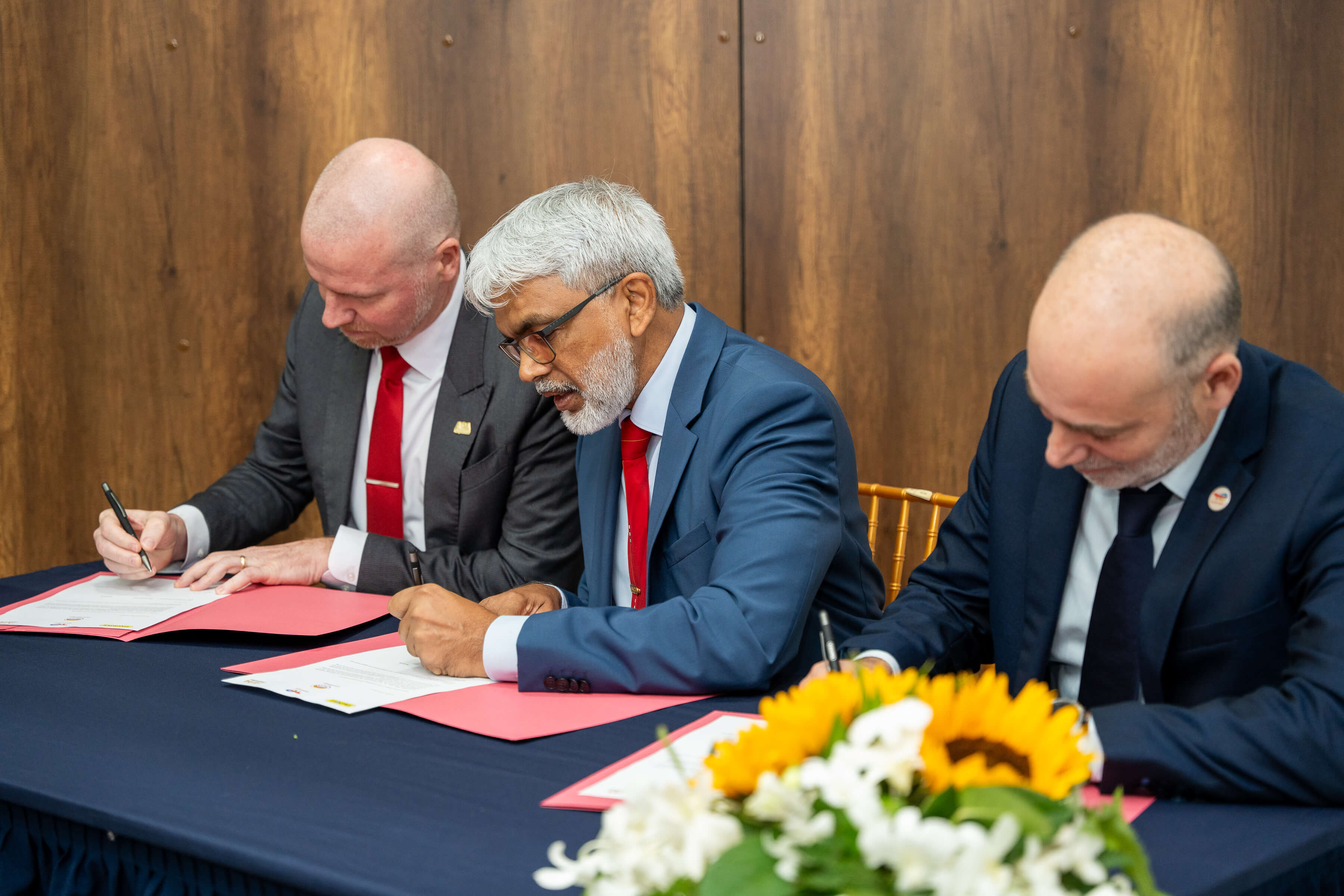
Staatsolie celebrates its 45th anniversary. To fund its 20% stake in the GranMorgu project, Staatsolie raises USD 516 million via bonds and secures a USD 1.6 billion bank loan. The Sloanea-1 gas discovery in Block 52 is declared commercial, with first gas expected around 2030.